Counting of the Cows
This painting shows Nebamun’s herders bringing the cows for counting. Like all tomb paintings, the ones in this tomb chapel show the owner as healthy, wealthy and wise, and generally living his best life.
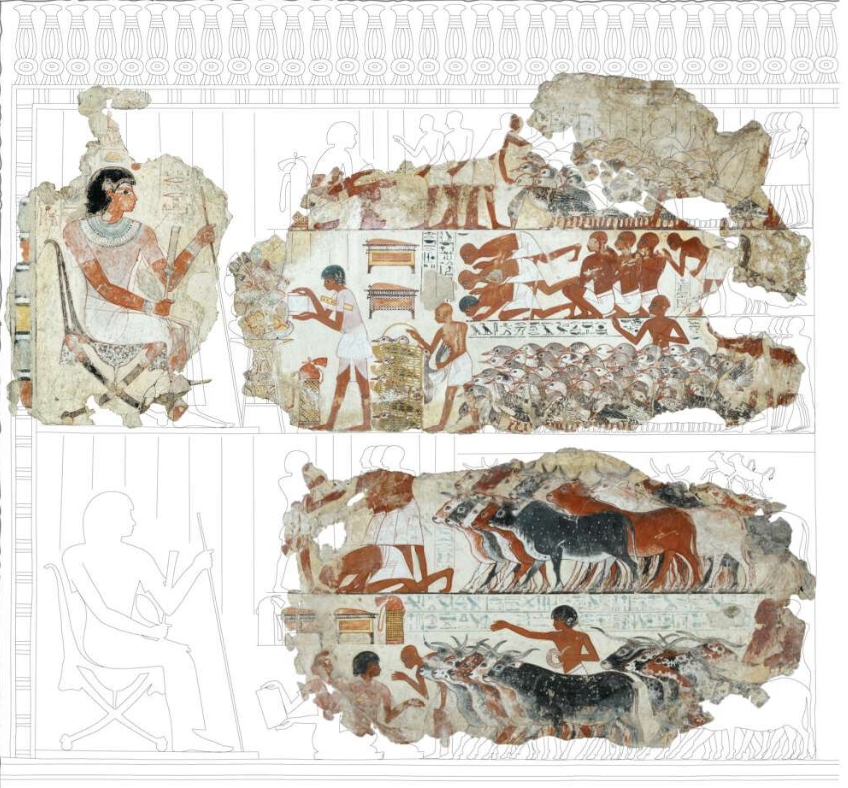
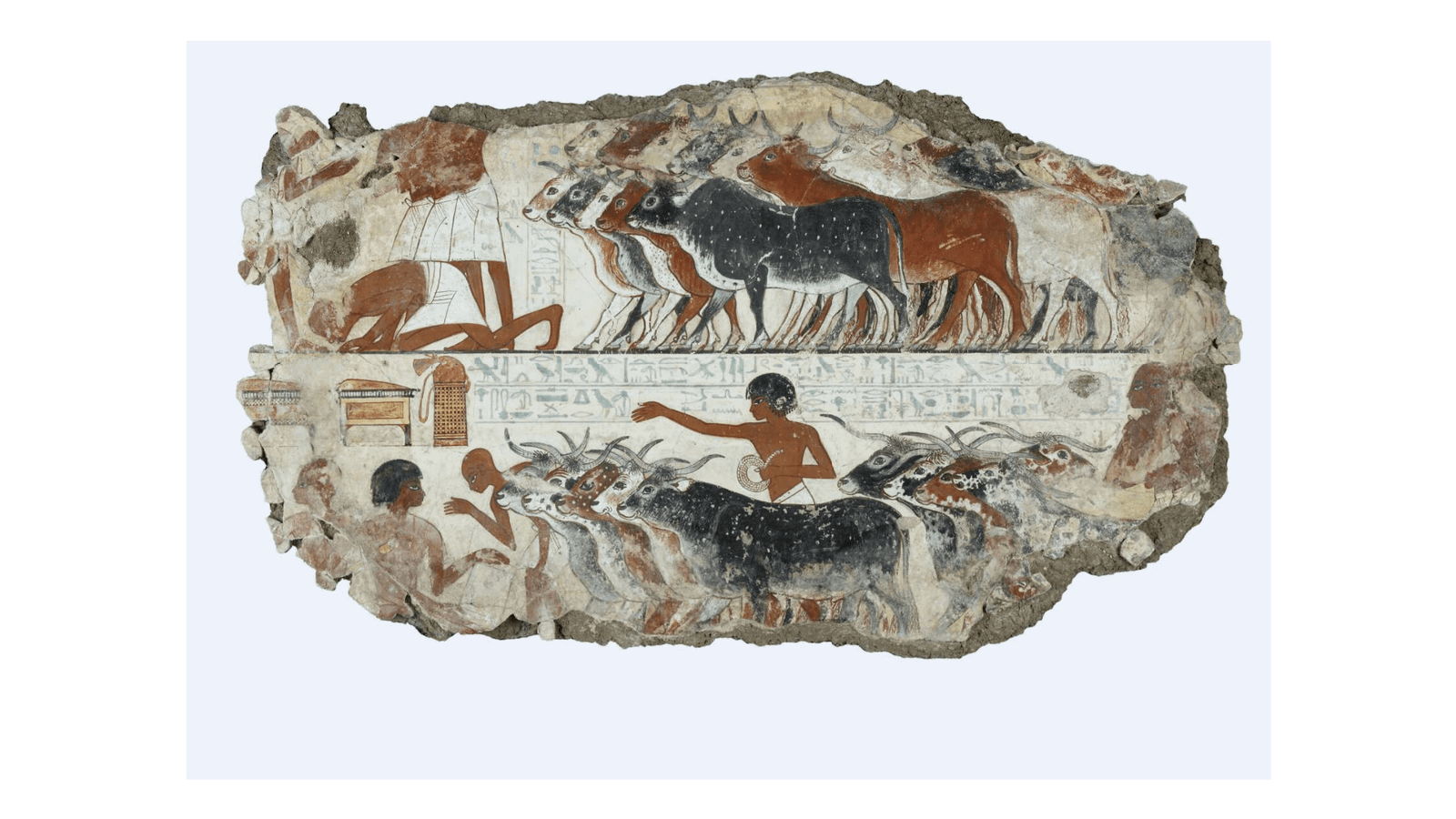
This painting shows Nebamun’s herders bringing the cows for counting. Like all tomb paintings, the ones in this tomb chapel show the owner as healthy, wealthy and wise, and generally living his best life.
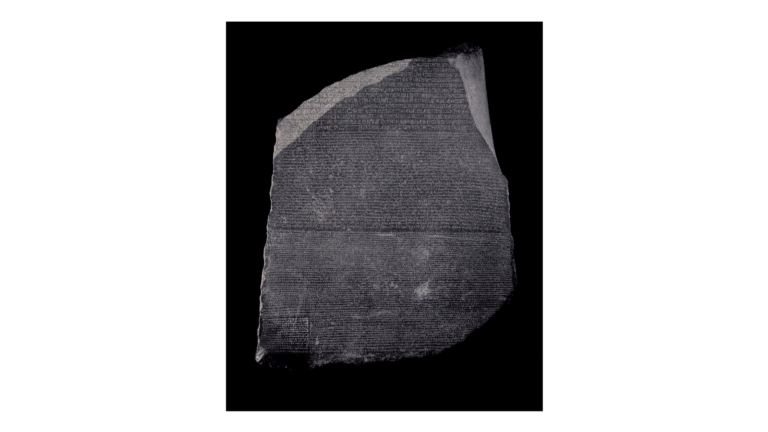
Two hundred years ago, nobody knew how to read hieroglyphs. Even Egyptians had forgotten the meaning of those strange symbols written and chiselled by their ancestors. A French man called Jean-Francois Champollion was the first to crack the code of hieroglyphs. The key was the Rosetta Stone, which contained the same message written in three…
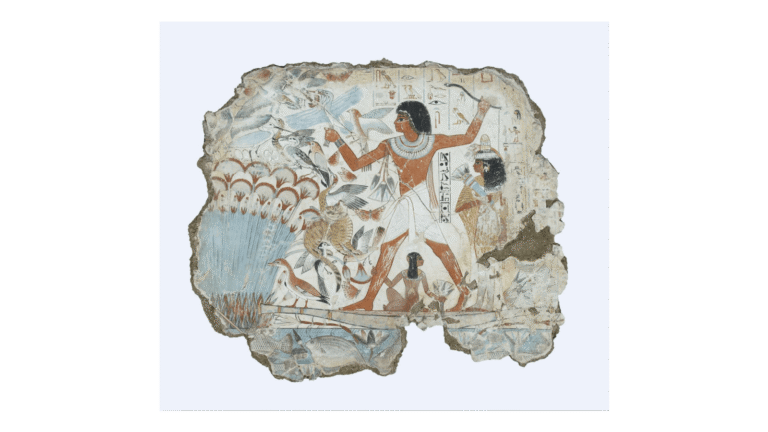
Finally, Nebamun himself! This is the most famous of the Nebamun murals and shows him hunting in the marshes. He is standing up in a papyrus boat, spearing fish and throwing sticks at birds. Again, Nebamun’s life is shown to be utterly perfect. The weather is glorious. His adoring wife and daughter are with him….
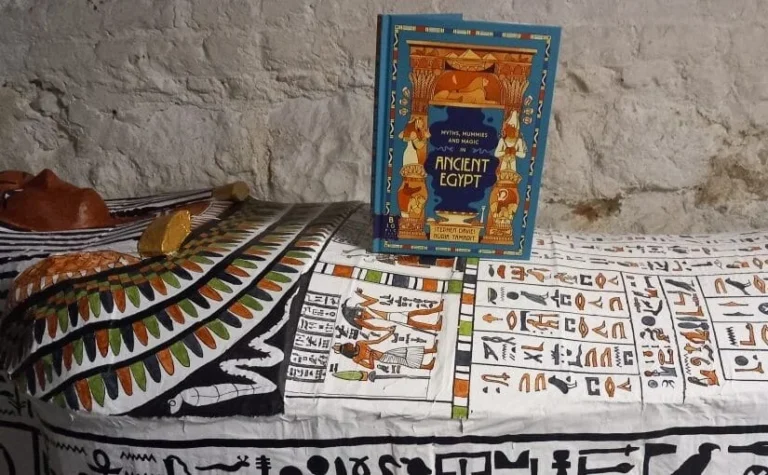
My new book is out now, and it’s an absolute beauty, thanks to stunning illustrations by Núria Tamarit. It contains six comic style tales, bursting with mythical creatures, gods, pharaohs and adventure. I was thrilled to receive an early review from the queen of historical fiction herself. This new hardback about Egyptian mythology and history…
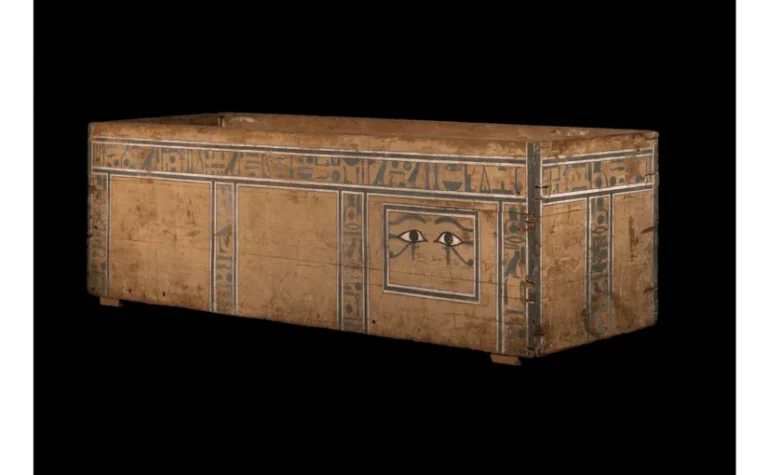
The coffin of Naktankh plays an important role in my book The Ancient Egypt Sleepover. It is not always on display in the British Museum, but you can see lots of similar Old Kingdom coffins with the painted eyes facing east. My book contains a simplified hieroglyphic version of the name Naktankh, but the coffin…
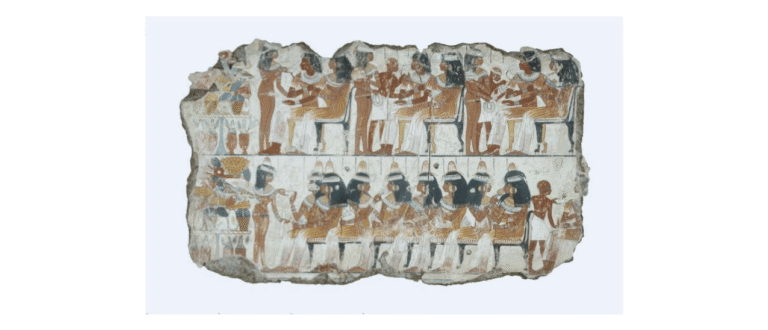
Remember ‘Belzoni the Great’, the circus strongman who brought the head of Ramesses II back to England? He brought back hundreds of other artefacts, too, including these paintings from the tomb of Nebamun. Ancient Egyptian craftsmen painted beautiful scenes all over the walls and ceilings of their most important tombs, then sealed them shut. The…
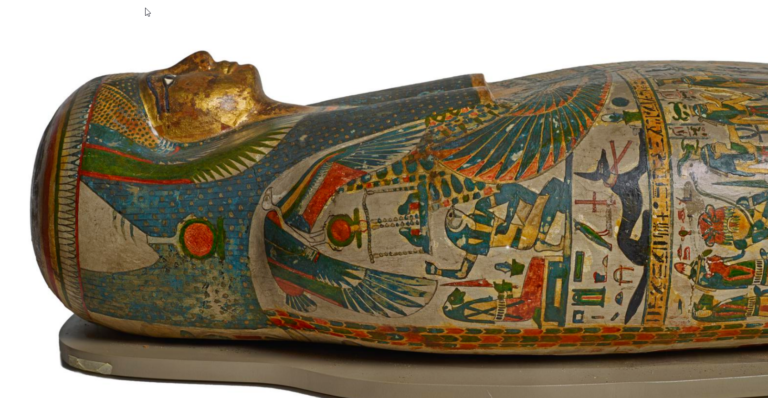
This is the coffin of Tjentmutengebtiu, otherwise known as Tamutin or Tamut. She was between twenty-five and forty years old, and was a priestess in the great temple at Karnak. The painted face on a coffin is a very idealized portrait. It often bears little resemblance to what the person actually looked like. Scientists at…